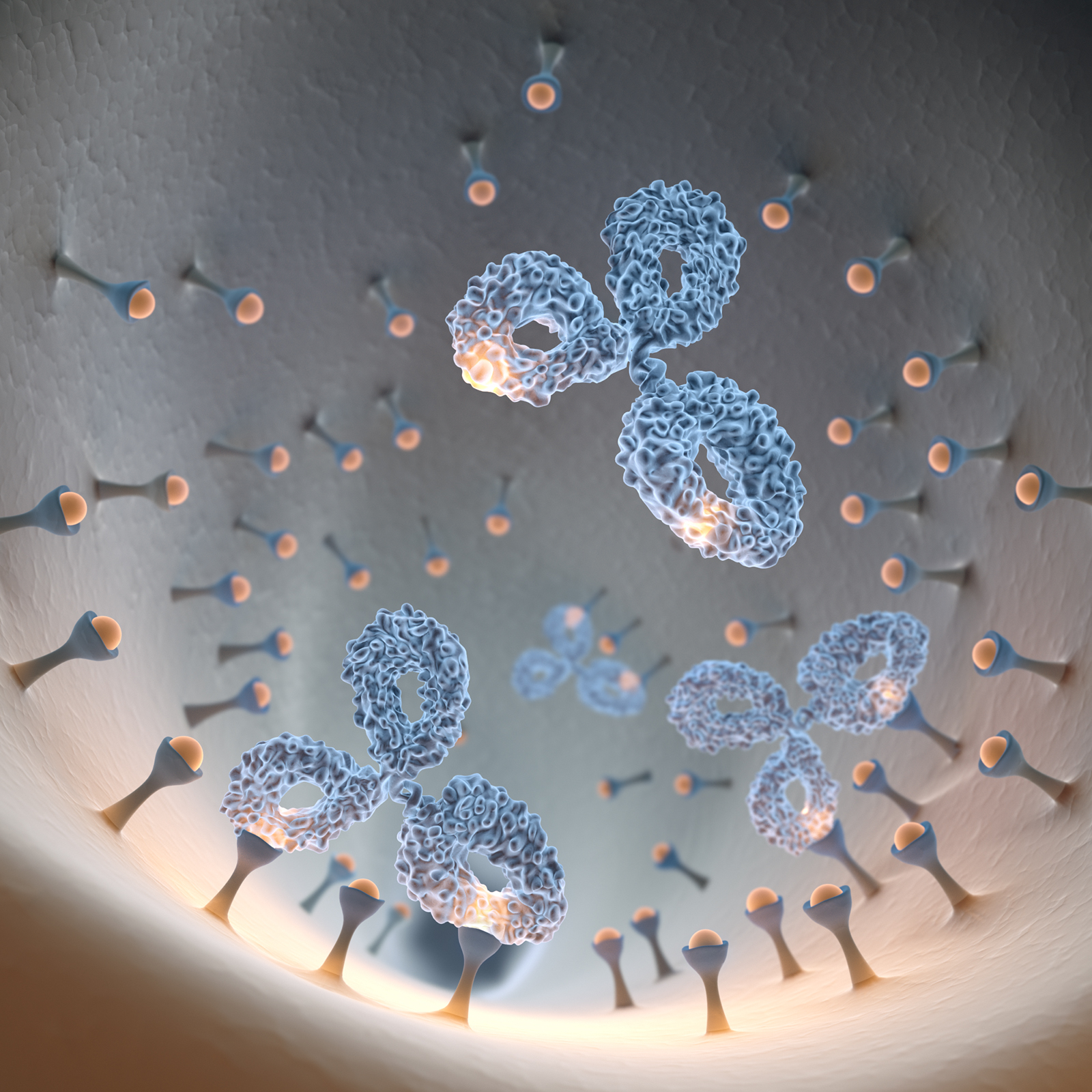
Making mechanistic chromatography modeling more accessible in the cloud
I joined mid-project as Design Lead, inheriting an interface organized around how the software had been engineered, not around how users thought about their work.
Chromatography is one of the core steps in bioprocessing. It's how you separate and purify molecules to produce biologics like vaccines, antibodies, and gene therapies. Getting it right is expensive. Each physical experiment costs time, materials, and lab capacity, and you might need hundreds of runs to optimize a single process.
Mechanistic modeling changes that equation. Instead of running physical experiments, you build a mathematical model of the chromatography process and simulate outcomes digitally. One simulation can replace weeks of lab work. A full modeling study can save hundreds of thousands of dollars.
The catch: mechanistic modeling had traditionally been expert territory. Before running a first simulation, a user needs to configure column geometry, define resin properties, specify binding kinetics, and set up buffer compositions, all of which require deep knowledge of thermodynamics and mass transfer. The existing desktop tools reflected that complexity. They were built by scientists, for scientists, and every parameter was exposed.
Cytiva acquired GoSilico and wanted to bring it to the cloud. The ambition went beyond a platform migration. It was a rethinking of who could use this technology. The vision: keep the scientific rigor, but put smart abstractions in front of the complexity. A process engineer or application scientist should be able to set up and run a simulation without months of training.
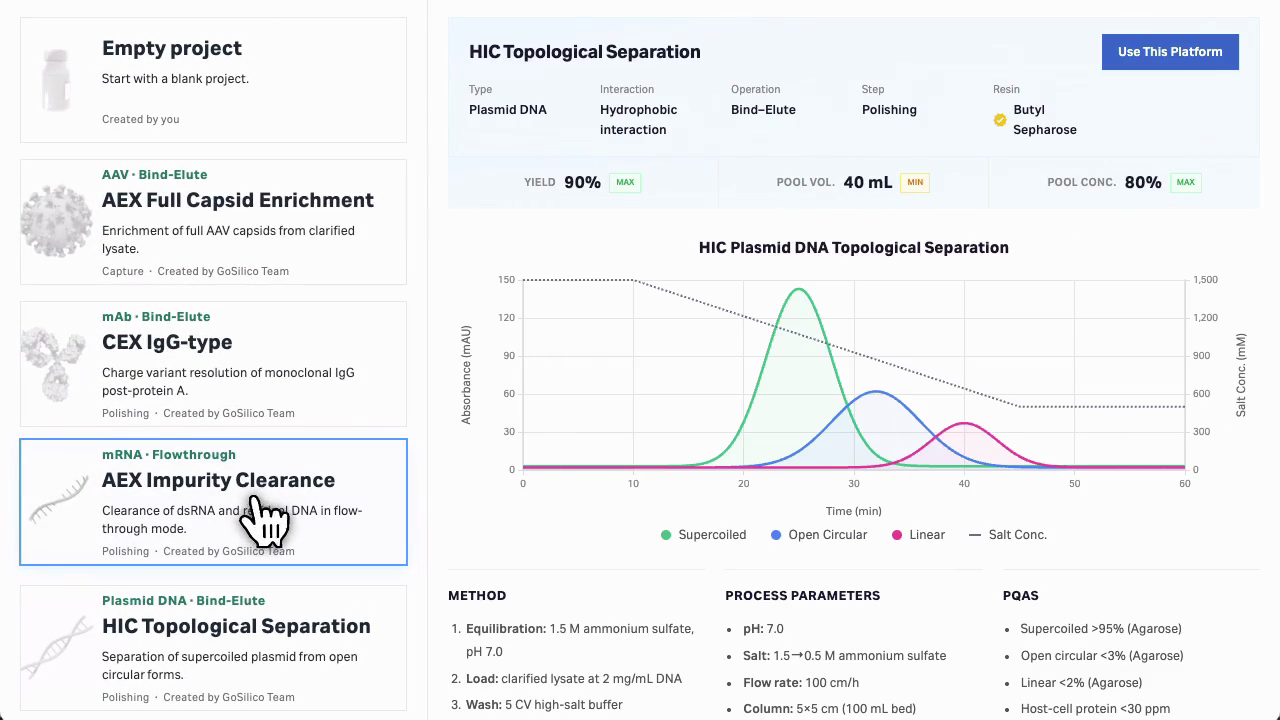
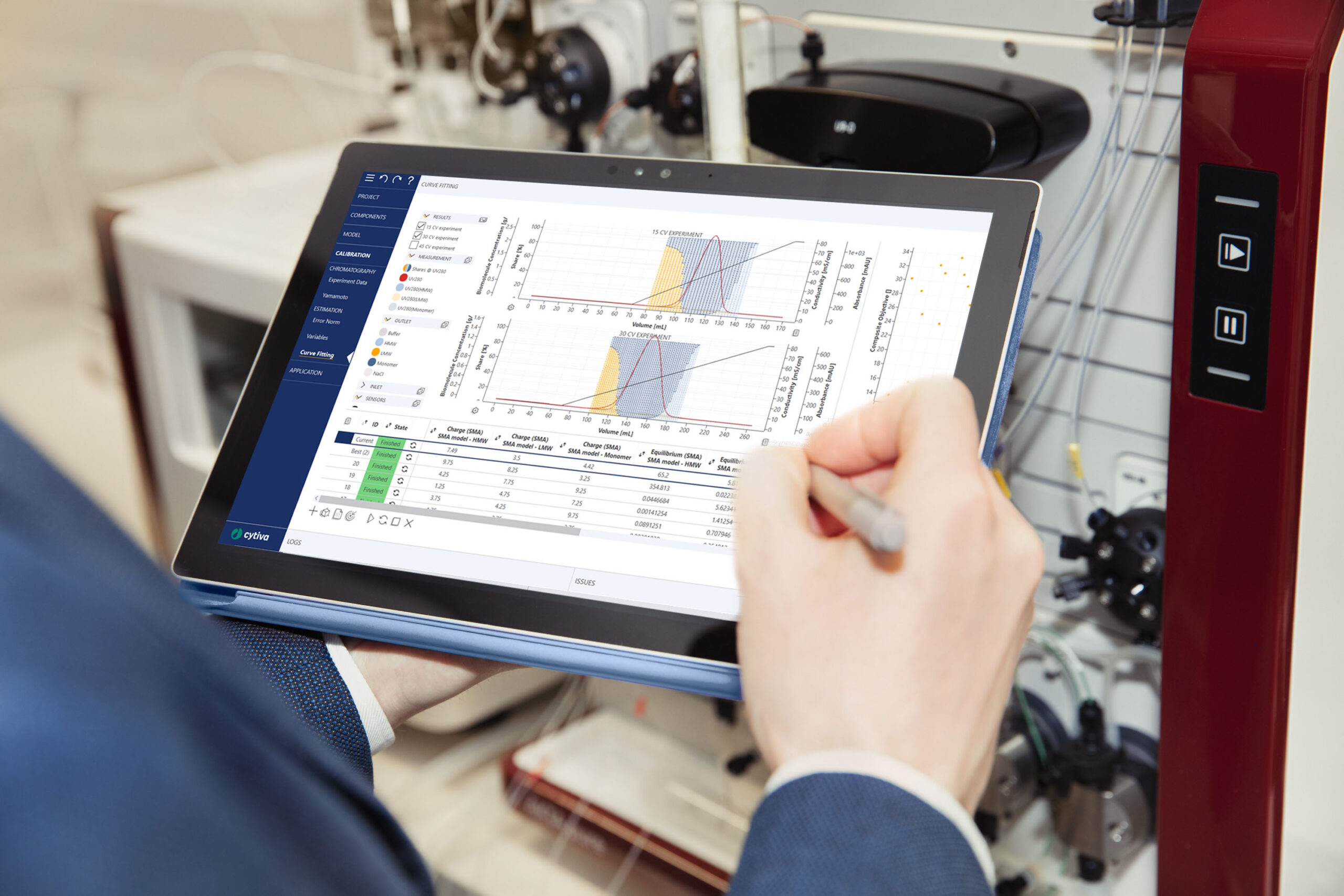
This project is under NDA, so I can't show the final product or detailed interface designs. The visuals focus on process, methodology, and abstracted structural decisions rather than proprietary screens.
"What you wanted to make seems to be working very, very well, and the visual design and flow are working extremely well. It is overwhelmingly good." — Chromatography Expert, Cytiva
The first thing I needed to understand was how scientists actually reason about chromatography experiments, and where the software's structure diverged from that reasoning.
Experiment-centric thinking: Scientists think in terms of experiments, with a setup phase, variables to explore, a run, and results to interpret. The software had broken that natural sequence apart into disconnected destinations. I restructured the core workflows around that experimental sequence.
Making complexity accessible: The design needed to present sensible defaults and guided workflows for less experienced users, while preserving full access to underlying parameters for experts who needed fine-grained control. Two levels of complexity, without feeling like two different products.
Co-design over review: Design decisions were co-developed with subject matter experts, not delivered to them for review. I learned to frame questions in their domain: not “should this be a dropdown or a slider?” but “when you set up a gradient, are you thinking about it as discrete steps or a continuous curve?” That framing moved the conversation from UI opinions to workflow truths.
Rough prototypes to find breaks: I relied on interactive prototypes tested directly with scientists. Not polished presentations, but rough clickable prototypes built to surface misunderstandings before they reached production code. The goal was never to get approval. It was to find where the design broke.
Prototyping and early validation with scientists removed the design-engineering back-and-forth that had slowed previous phases. Engineers built with higher confidence because they'd seen concepts tested. The science team trusted the output because they'd shaped it.
What I learned: In expert domains, your job isn't to be the smartest person in the room. It's to make the tool disappear so the people using it can focus on the science.
What I'd do differently: I should have pushed rough, even deliberately wrong prototypes earlier. A provocative prototype forces a strong reaction and clarifies direction faster than careful observation.